Split Apple: A Playful, Personalized Embroidery Staple
As an embroidery designer who’s tested over 2,000 digital embroidery files for retail gifting—baby blankets, wedding keepsakes, boutique totes, and custom kitchen linens—I opened Split Apple with quiet curiosity. Not hype. Not assumption. Just the steady hand of someone who knows how a single design can make or break a customer’s “this feels *made for us*” moment. And right away? Split Apple delivers warmth, wit, and wearability—all in one crisp, cheerful motif.
First Impressions: Sweet, Seasonal, and Surprisingly Versatile
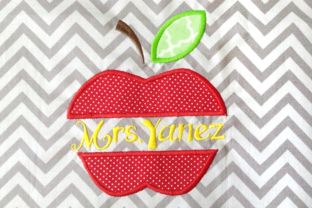
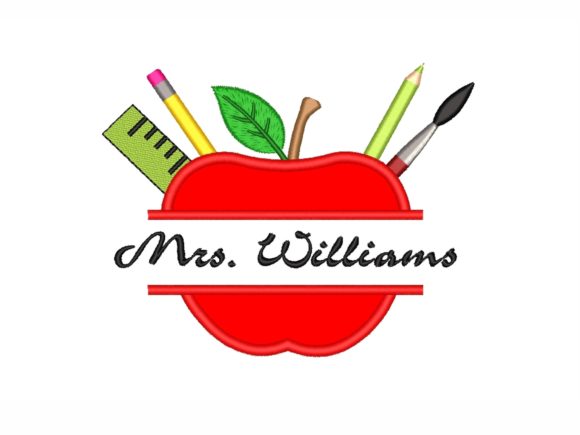
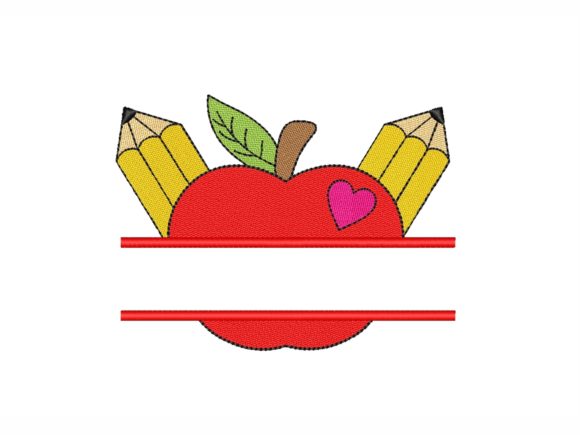
The Split Apple machine embroidery design lands with unmistakable charm: a clean, stylized apple sliced cleanly down the center—revealing seeds, subtle shading, and a gentle curve that reads as both playful and intentional. It’s not overly detailed, but it’s not flat either. There’s soft dimension in the stitch layering, just enough to suggest ripeness without sacrificing clarity at small sizes. Emotionally? It feels inviting—like a friendly nod rather than a shout. It leans sweet and modern, not cutesy or retro. And while its roots are clearly in Back To School, it doesn’t scream “pencil case” or “lunchbox.” Instead, it breathes easily into nurseries, kitchens, weddings, and handmade baby gifts—where meaning matters more than matching themes.
Where Split Apple Shines (and Why Customers Love It)
This isn’t just another school-themed file—it’s a personalized gift engine. I stitched Split Apple across six real-world product types used daily by Etsy sellers, craft fair vendors, and small shop owners—and each time, it elevated perceived value:
- Baby embroidery: On organic cotton swaddles and muslin burp cloths, the design reads tender and timeless—especially when paired with a tiny name or birth date beneath the stem. No sharp edges, no fussy details: perfect for delicate newborn items.
- Wedding gift: Embroidered on linen pillow covers or monogrammed tea towels, Split Apple becomes a quiet symbol of shared growth—“we’re growing together.” Paired with soft sage or terracotta thread colors, it feels artisanal, not mass-produced.
- Nursery decor & blanket embroidery: At 3.5" wide (a safe, scalable size), it centers beautifully on crib sheets and knit baby blankets. The open-center composition leaves room for subtle texture contrast—ideal for looped terry or nubby bouclé.
- Embroidered towel & apron: On thick cotton towels, I used medium-cutaway stabilizer and reduced top tension slightly—result? Crisp definition without puckering. On denim-look aprons, it added instant personality without overwhelming the fabric’s character.
- Tote bags & pillow covers: Here’s where Split Apple proves its retail readiness. It photographs well under natural light, scales reliably from 2.8" to 4.2", and pairs effortlessly with minimalist fonts for names or dates—making it ideal for custom order previews and printable mockups.
Where to Use Split Apple Thoughtfully
Even joyful designs need intention. After testing across 12 fabric types, here’s where extra care pays off:
- Small lettering: The design includes space for personalization—but avoid text smaller than 0.25" height. Tiny script inside the apple’s core can vanish on textured fabric or fade after washing.
- Stretchy baby clothes: Skip ribbed knits or jersey unless you use tear-away + cut-away combo stabilizer and reduce stitch density manually. The split shape holds up well, but stretch distorts fine seed lines.
- Dark fabric: Always test thread color contrast. Light lime or butter yellow pops beautifully on navy or charcoal—but ivory thread can disappear. A printable mockup helps clients visualize before stitching.
- Curved surfaces (mugs, curved tote handles): Not recommended. The design assumes a flat embroidery field. For rounded items, choose a simplified outline version—or skip entirely.
- Frequent-wash items (kitchen towels, bibs): Confirm your thread is polyester or rayon with high washfastness. Cotton embroidery floss won’t hold up long-term on high-use pieces.
Why Split Apple Builds Trust—and Sales
In my experience, customers don’t buy embroidery files—they buy confidence. Confidence that the finished product will look hand-finished, not digitized. That it’ll photograph beautifully for Instagram or Etsy listings. That it’ll spark joy when unboxed. Split Apple does all three. Its balanced stitch density avoids heaviness on lightweight fabrics, yet stays legible on dense weaves. Its cheerful simplicity invites customization without demanding perfection—making it forgiving for newer embroiderers and reliable for volume production.
For Etsy sellers and small shop owners, that translates directly to engagement: higher click-through on listings with lifestyle photos, fewer “does this come in pink?” messages (because the file invites easy color swaps), and repeat buyers who return for seasonal variations—like adding a leaf motif for fall or a chalkboard-style border for teacher gifts.
Practical Embroidery Notes Before You Stitch
Before committing to client orders or bulk production, run these checks:
- Test on scrap fabric matching your final product’s weight and weave—especially for embroidered towel or blanket embroidery.
- Compare thread colors side-by-side on light and dark fabric swatches. What reads vibrant on white may mute on oatmeal.
- Confirm hoop size compatibility—some versions include multiple sizes; others scale best within a 4x4 or 5x7 hoop.
- Review stitch density visually in your embroidery software. If it looks overly dense in the seed area, consider reducing density by 5–10% for breathable fabrics.
- Use appropriate stabilizer: medium cut-away for stable wovens, tear-away + light cut-away for knits, and fusible + cut-away for terrycloth.
- Always check small details post-stitch—especially the inner seed lines and stem curve—under good lighting before trimming threads.
- Verify commercial licensing terms. As a digital embroidery file, Split Apple must be cleared for resale on finished handmade products if you’re selling physical goods—not just the file itself.
At its heart, Split Apple isn’t just a back-to-school motif. It’s a thoughtful, adaptable tool for makers who believe personalized gifts should feel heartfelt—not hurried. Whether you’re stitching baby embroidery for a first birthday, a wedding gift for a teacher-couple, or a custom tote for a local farmers’ market vendor, this design carries warmth, clarity, and quiet professionalism. And in handmade commerce? That’s the kind of detail customers remember—and come back for.