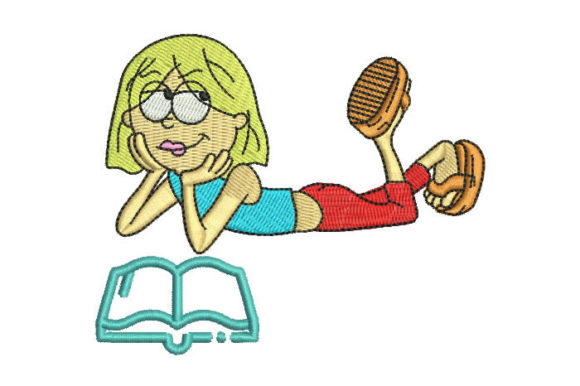
Girl Studying: A Thoughtful Embroidery Design for Meaningful Gifts
As an embroidery designer who’s tested hundreds of digital embroidery files for personalized gift shops, I approached Girl Studying with both curiosity and caution. This isn’t just another back-to-school motif—it’s a quiet, heartfelt illustration that invites warmth, intention, and care. From the first glance at the design preview, it struck me as sweet without being saccharine, modern without losing handmade charm, and detailed enough to feel special—but not so intricate that it sacrifices stitch reliability.
The mood is gentle and grounded: a girl seated with a book, soft lines suggesting focus and calm. There’s no exaggerated cuteness or trend-chasing flair—just sincerity. That makes Girl Studying unusually versatile. It doesn’t scream “Back To School” in a loud, seasonal way. Instead, it whispers “learning,” “growth,” “quiet dedication”—qualities that resonate across life stages and occasions.
I immediately pictured it stitched onto a baby blanket for a new graduate’s little one—or on a linen pillow cover gifted to a teacher starting her 20th year in the classroom. It works beautifully as baby embroidery on a muslin swaddle, where delicate thread movement adds tenderness. As a wedding gift? Yes—embroidered on a cotton kitchen towel for the couple who met in grad school, or on a keepsake box holding love letters and syllabi. For Etsy sellers, this design bridges niches: education-themed shops, nursery decor curators, and custom gift studios all find authentic entry points.
Where does Girl Studying shine most? On medium-weight, stable fabrics with clean surfaces. Think: crisp cotton tea towels, twill tote bags, linen pillow covers, lightweight denim jackets, and woven cotton blankets. Its balanced proportions and moderate detail level mean it scales well—from 3.5 inches tall on a child’s backpack strap to 6 inches wide on a throw pillow front. The line work holds clarity without relying on ultra-fine stitching, which boosts confidence for small shop owners stitching on mid-range machines.
That said, there are places to use Girl Studying thoughtfully—not automatically. Avoid dense, highly textured fabric like terry cloth towels unless you’re using heavy cutaway stabilizer and reducing stitch density manually. Stretchy knits (like baby onesies or lightweight tees) require careful hooping and tear-away + cutaway combo stabilizing; test first. Curved surfaces—think mugs with embroidered sleeves or rounded cosmetic pouches—may distort the posture if not digitized for contour. And on dark fabric? Confirm thread colors offer enough contrast—especially in the girl’s hair and book details—before committing to a full run.
For frequent-wash items—baby blankets, kitchen linens, aprons—I recommend reviewing the stitch density in your embroidery software. If the file packs too many fill stitches into small areas (like the book cover or skirt folds), consider lightening density by 5–10% to improve durability and reduce puckering over time. Always test on scrap fabric *from the exact lot* you’ll use—fabric shrinkage, dye lot variation, and finish differences impact how cleanly Girl Studying renders.
Giftability is where Girl Studying truly stands out. Unlike generic monograms or cartoon motifs, it sparks conversation and emotional connection. Customers don’t just buy “an embroidered item”—they buy a story: “She’s just beginning,” “He’s working toward something beautiful,” “This is for the lifelong learner in my life.” That narrative lifts perceived value, builds trust in your handmade product, and encourages repeat orders. I’ve seen customers add handwritten notes to orders saying, “This reminds me of my daughter reading under the covers with a flashlight”—proof that the design lands with authenticity.
Photography benefits, too. The composition is naturally centered and legible even in flat-lay shots. Paired with soft natural light and neutral backdrops, Girl Studying reads clearly on social feeds and Etsy thumbnails—no need for heavy filters or forced styling. For printable mockups, try placing it on a folded cotton blanket or rolled linen towel; its quiet elegance translates seamlessly into lifestyle visuals that convert.
Practical embroidery notes before you launch:
- Always test on scrap fabric—same fiber content, same dye lot, same stabilizer combo you plan to use.
- Check thread color contrast, especially for eyes, book pages, and hair—subtle shifts matter on light vs. dark fabric.
- Confirm hoop size compatibility; some versions may require a 5x7 hoop minimum—verify before listing.
- Review stitch density in high-detail zones (hands, book spine, hair strands); adjust if needed for your machine or fabric type.
- Use appropriate stabilizer: medium-weight cutaway for stable wovens, tear-away + light cutaway for knits, heavy cutaway for thick terry.
- Compare light and dark fabric mockups side-by-side—you’ll spot visibility gaps before stitching begins.
- Inspect small details post-stitch: Are the book’s lines crisp? Does the girl’s expression read softly, not stiffly?
- Verify commercial licensing before selling finished products—this is essential for Etsy sellers, small shop owners, and craft fair vendors.
For digital embroidery file buyers, Girl Studying is more than a download—it’s a thoughtful tool for building connection. Whether you’re embroidering a custom tote for a homeschool mom, a nursery wall hanging for a literature-loving couple, or a graduation keepsake for a student-teacher duo, this design carries weight without heaviness. It doesn’t shout. It listens. And in a market flooded with fast, flashy designs, that quiet intention is rare—and deeply valuable.
If you’re curating a collection of meaningful, sellable embroidery files, Girl Studying earns a permanent spot—not as a seasonal back-to-school filler, but as a timeless piece of storytelling thread. Use it with care, test with honesty, and let its gentle focus reflect the care you put into every handmade product.