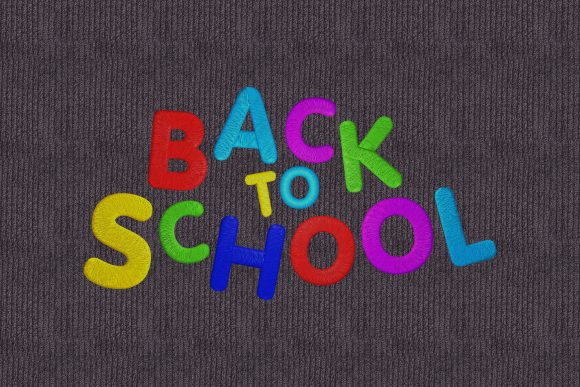
Back to School Embroidery Design Review
First Impressions: Charm, Clarity, and Quiet Confidence
As an embroidery designer who’s tested hundreds of digital embroidery files for retail and custom gifting, Back to School landed with a gentle, grounded presence—not loud, not trendy, but warmly intentional. It doesn’t shout “fall season” or lean into cartoonish energy. Instead, it carries a soft, timeless charm: think hand-drawn pencils, a subtle open book motif, and delicate leaf accents that suggest growth, learning, and quiet celebration. The line work feels clean yet handmade—never stiff or overly digitized—and the balance of negative space gives it breathing room on fabric. For personalized gift makers, that’s gold: it reads as thoughtful, not generic. Whether stitched on a baby blanket for a first-day-of-preschool keepsake or a linen apron for a teacher’s wedding gift, Back to School invites emotional connection without demanding attention.
Where This Design Truly Shines
Back to School is remarkably versatile across product categories that rely on meaning over mass appeal. As a machine embroidery design, it performs beautifully on:
- Baby embroidery: Ideal for onesies, swaddles, and milestone blankets—especially when paired with neutral thread colors (oatmeal, sage, soft navy) to keep it tender and gender-inclusive.
- Wedding gifts: Stitched onto a monogrammed kitchen towel or linen pillow cover, it becomes a sweet nod to shared values—education, curiosity, lifelong learning—perfect for teacher couples or academic partners.
- Nursery decor & keepsakes: On a framed embroidered hoop or cotton muslin wall hanging, it adds quiet sophistication without overwhelming a minimalist space.
- Personalized tote bags & aprons: Its balanced proportions scale well up to 5–6 inches wide, making it a standout for small shop products sold at craft fairs or on Etsy.
- Embroidered towel & pillow cover collections: Because it avoids dense fill areas, it maintains crispness even after repeated washing—critical for functional handmade products.
Use With Care: Practical Fabric & Function Notes
Like any well-intentioned design, Back to School has natural boundaries—and recognizing them early saves time, thread, and customer trust. Here’s where to pause and plan:
- Small lettering: If your version includes text (e.g., “My First Day”), verify legibility at under 2.5 inches wide. Tiny serif details may blur on terry cloth or low-thread-count cotton.
- Textured fabric: On thick towels or looped terry, use cutaway stabilizer + topping to prevent skipped stitches in fine stems or curved lines.
- Stretchy baby clothes: Avoid direct stitching on knit bodysuits unless you’ve tested with tear-away + light fusible backing—this design’s clean lines won’t forgive puckering.
- Curved surfaces: Skip baseball caps or rounded mugs. The composition relies on flat alignment—best suited for pillow covers, flat totes, and blanket corners.
- Dark fabric: Light-colored thread can fade visually. Always compare mockups on black, navy, and charcoal—some versions may need slightly heavier satin stitch density for contrast.
- Frequent-wash items: Confirm stitch density isn’t too sparse—loose fills may fray over time. A mid-range density (30–45% fill) holds up best on blankets and kitchen linens.
Why This Design Builds Trust—and Sales
For Etsy sellers and small shop owners, Back to School isn’t just another embroidery file—it’s a subtle credibility booster. Its restraint signals craftsmanship, not clip-art recycling. When customers see this stitched cleanly on a linen pillow cover in your product photos, they read “handmade quality,” not “mass-produced SVG.” That perception lifts perceived value instantly—especially for personalized gift buyers who pay premiums for meaning. It also photographs exceptionally well: clean lines translate clearly on white or oatmeal backgrounds, and subtle texture reads in natural light. Pair it with a short story in your listing (“Stitched for the child starting their first classroom journey…”) and you deepen buyer engagement before checkout. For wedding gift designers or baby product creators, it’s a quiet differentiator in crowded niches—no glitter, no clichés, just sincerity stitched in thread.
Must-Do Embroidery Prep Steps Before Selling
Before adding Back to School to your production queue or Etsy listings, run these five checks:
- Test on scrap fabric—match your final substrate (e.g., if selling embroidered towels, test on identical terry cloth).
- Verify thread color contrast using both light and dark fabric mockups; avoid pastel-on-cream combos that disappear in photos.
- Confirm hoop size compatibility; some versions may require a 5x7” minimum—check before loading into your commercial embroidery machine.
- Review stitch density and layer order; overly dense fills increase wear on home machines and risk shadowing on lightweight fabrics.
- Double-check commercial licensing—since you’re creating finished products for resale, ensure your purchase grants rights for physical goods (not just personal use).
And one more gentle reminder: always stitch a sample before fulfilling a custom order. A printed mockup looks lovely—but only the real embroidered towel, pillow cover, or blanket reveals how gracefully Back to School lives in the world.
A Final Thought for Gift Makers
In a market flooded with seasonal trends, Back to School stands out by choosing resonance over repetition. It doesn’t chase virality—it supports intention. Whether you’re stitching a baby’s first blanket, a teacher’s retirement gift, or a couple’s “our library” wedding keepsake, this machine embroidery design quietly honors the human moments behind the product. That’s why it works so well for personalized gift shops, Etsy sellers building loyal followings, and small business owners who believe handmade means *heart-made*. Done right—with care for fabric, stabilizer, and storytelling—it doesn’t just decorate an item. It marks a beginning.